
The Role of Emotion in Gambling Choices
Emotions play a significant role in the decisions players make when choosing casino games. Many individuals are drawn to games that elicit strong emotional reactions, such as excitement or anticipation. In this context, games at casinos accept us players tend to evoke a heightened emotional state, which can influence a player’s preference. For example, a thrilling slot machine with flashing lights and catchy jingles can create a euphoric experience, prompting players to choose it over more subdued options.
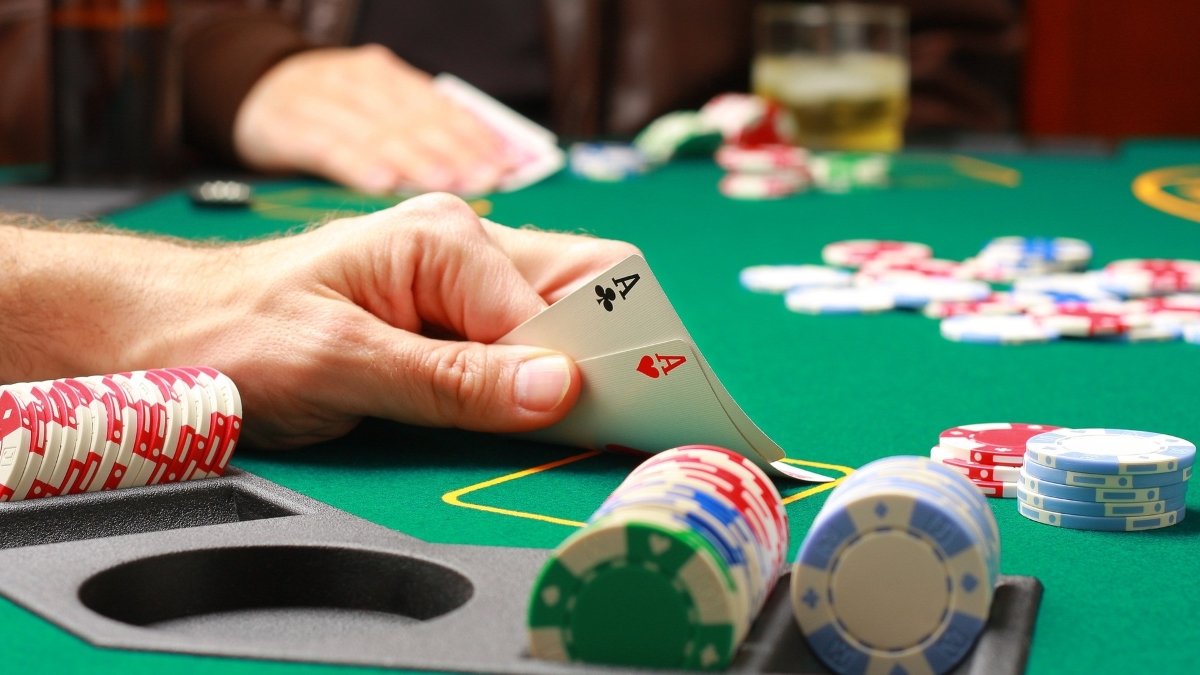
Moreover, emotional states can sway decision-making. Players experiencing stress or anxiety may gravitate towards games that offer a sense of escapism, such as roulette or poker. The thrill of risk-taking can provide an adrenaline rush, serving as a temporary distraction from everyday challenges. Understanding how emotions align with game selection is crucial for comprehending the psychology behind gambling behavior.
Cognitive Biases and Their Impact
Cognitive biases significantly influence player choices in casino games. One common bias is the “gambler’s fallacy,” where individuals believe that past outcomes affect future results. For instance, if a slot machine hasn’t paid out recently, a player might feel it’s “due” for a win, leading them to invest more money. This irrational thinking can limit informed decision-making, as players often misjudge the probabilities involved in games.
Another critical bias is the “availability heuristic,” where players focus on easily recalled experiences. If a player hears stories of big wins from friends, they may be more inclined to choose specific games, believing their chances of winning are higher than they might actually be. These cognitive shortcuts often cloud judgment and influence gameplay preferences in ways that may not align with reality.
The Influence of Social Factors
Social dynamics can heavily influence game choices at casinos. Players often seek validation and excitement from their peers, leading to a preference for games that promote social interaction. Group activities such as poker tournaments or baccarat create a communal atmosphere, making them more appealing than solitary options. This desire for social engagement can drive players to choose games based on the presence of others rather than personal preference.
Moreover, players may engage in “herd behavior,” mimicking choices made by those around them. For instance, if a particular game appears to attract a crowd, others may flock to it, believing that its popularity indicates a higher likelihood of winning. The need for connection and shared experiences can greatly shape individual game choices in casino environments.
The Impact of Marketing and Game Design
Casino marketing strategies and game design play a pivotal role in shaping player decisions. The use of enticing visuals, themes, and promotional offers attracts players to specific games. The way a game is marketed can create an aura of excitement or exclusivity, prompting players to engage with it. For instance, themed slots based on popular movies or television shows often capture attention and draw in fans.
Additionally, game mechanics, such as progressive jackpots or bonus rounds, are designed to enhance player engagement. These features can influence decision-making by creating the perception of increased chances of winning, even when the odds remain the same. Understanding how marketing tactics and game mechanics work together helps casinos attract players and fosters a deeper comprehension of gambling behavior.

Engaging with the Community at Echo Minnesota
Echo Minnesota provides a vibrant platform for discussing various topics, including the psychology of gambling and player choices. By fostering a sense of community, the platform encourages individuals to share their insights and experiences, enriching the discussion surrounding casino gaming. Engaging with others can provide valuable perspectives that enhance understanding of gambling behaviors.
The conversations sparked on Echo Minnesota can lead to a deeper exploration of what influences decision-making in casino environments. By connecting residents and promoting dialogue, the platform serves as a vital resource for those interested in understanding the complexities of gambling psychology and its impact on player choices.