
The Allure of Chance and Luck
The thrill of gambling often stems from the inherent unpredictability of chance and luck. This element of surprise creates a psychological rush, as players anticipate winning outcomes. The excitement triggered by uncertainty can be likened to a rollercoaster ride; the highs and lows generate an adrenaline surge. This feeling is amplified in environments like casinos, where vibrant lights, enticing sounds, and the palpable energy of fellow gamblers enhance this euphoric state. Additionally, exploring various casinos sister sites can provide players with even more opportunities to tap into a primal instinct for excitement, making the experience all the more addictive.
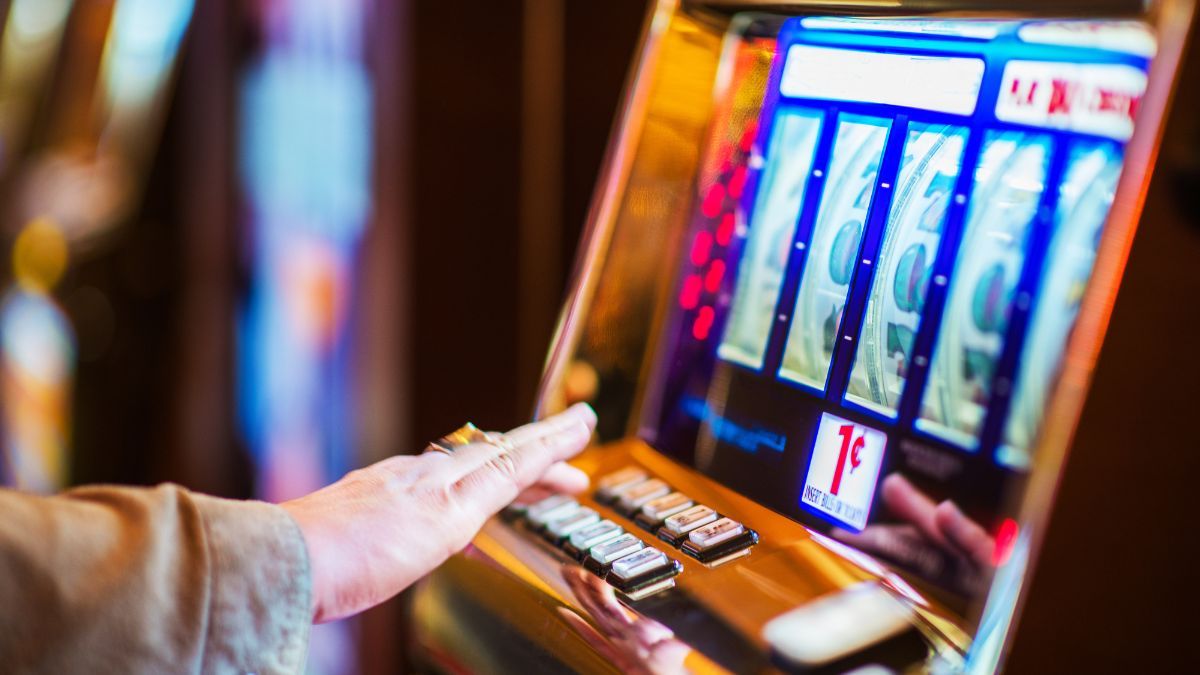
Moreover, the psychology of hope plays a significant role in the allure of casino games. Players engage in a cognitive process wherein they envision scenarios of victory, often placing their hopes on short-term results. This phenomenon is particularly evident in games like slot machines, where the colorful graphics and sound effects create an almost hypnotic effect, luring players into a mindset of optimism. The belief in potential outcomes can overshadow rational thinking, making it easy to succumb to the thrill of the game. Each near-win can trigger a rush of dopamine, further reinforcing this cycle of expectation and excitement.
This interplay of chance, luck, and hope not only keeps players engaged but also influences their decision-making processes. The “gambler’s fallacy,” the erroneous belief that past outcomes affect future ones, can lead to increased betting behavior. Players may think, for instance, that they are “due” for a win after consecutive losses, driving them deeper into the psychological maze of gambling. This cognitive bias illustrates how casino games tap into deep-seated beliefs and emotions, rendering them captivating yet risky, as players often find it challenging to recognize when their hopes are leading them astray.
The Role of Social Dynamics
The social environment of casinos plays a critical role in shaping player experiences. Gambling is often a communal activity, where the presence of others can amplify excitement and motivation. The camaraderie built among players can create an atmosphere of shared anxiety and joy, heightening the overall experience. This social reinforcement can lead to an increased willingness to engage in betting, as individuals find encouragement and validation from those around them. The collective atmosphere can make it challenging for players to disengage, as they ride the waves of shared emotions.
In addition, social norms within gambling communities can influence behavior significantly. For instance, witnessing others engage in high-stakes betting may prompt individuals to follow suit, driven by a desire for acceptance or status. This phenomenon illustrates the impact of group dynamics on gambling choices, where one’s perception of acceptable behavior shifts based on the actions of peers. The psychological need for social belonging can, therefore, lead to riskier gambling decisions, as players seek to align themselves with the perceived norms of their social group.
Moreover, psychological theories suggest that the need to be socially accepted can extend beyond the casino floors. Players often share their gambling experiences on social media, seeking validation through likes and comments. This need for social affirmation not only reinforces their gambling behavior but also intertwines the psychology of gambling with human social behavior. The cyclical relationship between social interaction and gambling deepens the engagement, making it essential for players to be aware of how these dynamics influence their choices and outcomes.
Cognitive Biases and Behavioral Economics
Cognitive biases significantly shape the gambling experience, often leading players to make irrational decisions. For example, the “availability heuristic” can cause individuals to overestimate the likelihood of winning based on recent wins or widely publicized jackpot stories. This cognitive shortcut creates an illusion of control and success, often motivating further gambling activity despite the statistical probabilities. Players may disregard the odds, believing that they can replicate success based on selective examples rather than objective analysis. This skewed perception of reality can lead to a dangerous cycle of gambling where hope overshadows reason.
Another notable bias is the “sunk cost fallacy,” where gamblers continue to invest in a game due to the money already lost, thinking they will eventually recoup their losses. This behavior often leads to a downward spiral, where emotions trump any semblance of rational thought. The inability to cut losses and walk away can be devastating, illustrating how powerful cognitive biases can manipulate behavior in the context of gambling. Players may find themselves trapped in a loop of chasing losses, often leading to more significant financial and emotional distress.
Furthermore, behavioral economics theorizes that decision-making is heavily influenced by emotions rather than purely rational calculations. The excitement of imminent wins often overshadows the reality of odds, making players susceptible to engaging in riskier behaviors. Such tendencies underscore the importance of recognizing one’s psychological landscape when it comes to gambling. Effective strategies for responsible gambling must address these cognitive biases to mitigate the adverse consequences associated with excessive betting, allowing players to make more informed choices.
The Impact of Design and Environment
The physical design of casinos is meticulously crafted to enhance the gambling experience. From the layout of gaming tables to the placement of slot machines, every element is designed to create an immersive environment. For instance, the absence of clocks and windows can disorient players, leading them to lose track of time. This intentional strategy encourages prolonged play, as players become engrossed in the ambiance, often ignoring the passage of time. This design philosophy maximizes player engagement, as time seems to become irrelevant in the quest for entertainment.
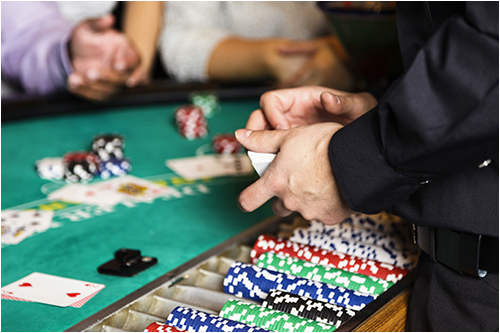
Additionally, casinos employ sensory cues to engage players’ emotions. The use of vibrant colors, flashing lights, and enticing sounds can stimulate feelings of excitement and anticipation. These carefully orchestrated sensory experiences contribute to an environment where rational thought may be eclipsed by emotional responses. The sounds of coins clinking, bells ringing, and celebratory music can further reinforce the notion of winning, even in the face of losses. Such a carefully curated atmosphere can keep players in a heightened state of arousal, making them more likely to continue playing.
Moreover, the strategic placement of high-limit areas and low-stakes games creates an alluring spectrum that appeals to a diverse player base. This intentional design not only shapes player behaviors but also influences their perceptions of risk and reward. By manipulating the environment, casinos effectively harness psychological principles to maximize engagement and, ultimately, revenue. Understanding these design strategies reveals the extensive psychological underpinnings that fuel the casino gaming experience, highlighting the need for players to remain conscious of the environment’s influence on their decisions.
Exploring Responsible Gambling
As the allure of casino games persists, understanding the psychological factors at play is crucial for promoting responsible gambling. Education surrounding cognitive biases and social influences can empower players to recognize when their behaviors may be leading to unhealthy patterns. Initiatives that encourage self-reflection and awareness can significantly impact players’ ability to make informed decisions and set limits on their gambling activities. By fostering a culture of awareness, players can learn to navigate the enticing world of gambling more responsibly.
Moreover, creating supportive communities where individuals can share their experiences and challenges can help combat the isolation many gamblers face. Resources such as counseling and support groups play a vital role in addressing the psychological aspects of gambling addiction. By fostering open dialogue about these issues, society can work towards demystifying gambling and encouraging healthier approaches to entertainment. These initiatives can provide players with the tools they need to maintain a healthy relationship with gambling.
Ultimately, responsible gambling practices must be integrated into the broader gambling culture. This includes promoting transparency in game mechanics and ensuring that the design strategies employed by casinos do not exploit players’ psychological vulnerabilities. By cultivating an environment focused on player well-being and education, the industry can help mitigate the adverse effects of gambling while still allowing individuals to enjoy the thrill of the gaming experience. Awareness and education serve as key components in empowering players to engage with casino gaming responsibly.